Part of the Duratite Group of Companies
01208 832 602★★★★★ Rated ExcellentISO 9001 · UK-Wide
ServicesCase StudiesSectorsProductsFAQsLocations 01208 832 602Book a Free Survey →
Commercial Spray Foam

Commercial Marine & Boat Spray Foam Insulation

Insulate and stop condensation on steel and GRP hulls and superstructures — spray foam bonds where the surface flexes and curves. Installed UK-wide.

Anti-sweatHull & deckhead
25yrProduct warranty
EnvergeApproved system
Commercial Marine & Boat Spray Foam Insulation by ThermoFoam — Duratite Group
Overview

Why spray foam for marine structures

Steel and GRP hulls, deckheads and bulkheads sit in a relentlessly damp marine environment. Cold metal surfaces below the waterline and under the deck sweat heavily, dripping onto cabins, machinery and cargo, breeding corrosion, mould and that persistent damp-boat smell. Bare steel in particular condenses constantly, accelerating rust in the very structure that keeps a commercial vessel seaworthy.

Enverge closed-cell spray foam is sprayed directly to hull plating, deckheads and bulkheads, self-bonding as it cures and following every curve, frame and stiffener without joints or fixings. It insulates and forms a vapour-resistant barrier that keeps internal surfaces above dew point, so condensation stops forming on the steel or GRP and the structure stays dry from the inside out.

Operators get drier, warmer, quieter accommodation and machinery spaces, with hull and deckhead steel protected from sweating and the corrosion it drives. Thermal comfort improves, cargo and equipment are shielded from damp, and the vessel's structure is better preserved — all from one seamless, contour-following application suited to the demanding geometry of marine interiors.

Why spray foam

The benefits for marine structures

Hull Corrosion Defence

Keeps steel hull and deckhead surfaces above dew point, stopping the sweating that drives marine rust.

Stops Condensation

Vapour-resistant layer ends dripping onto cabins, machinery and cargo in damp, enclosed vessel spaces.

Steel & GRP Bonding

Self-bonds to steel or GRP hulls, deckheads and bulkheads without joints, fixings or panel gaps.

Follows Complex Curves

Seamlessly coats curved plating, frames and stiffeners that rigid board insulation cannot fit around.

Quieter Spaces

Sprayed layer dampens hull noise and vibration, improving comfort in cabins and machinery compartments.

Warrantied Foam

Nexseal LE carries a 25-year manufacturer-backed product warranty.

Closed-cell spray foam applied to marine structures by ThermoFoam
The system

Bonds to hull and deckhead

Closed-cell foam follows curved and ribbed surfaces, sealing out condensation and insulating the structure completely.

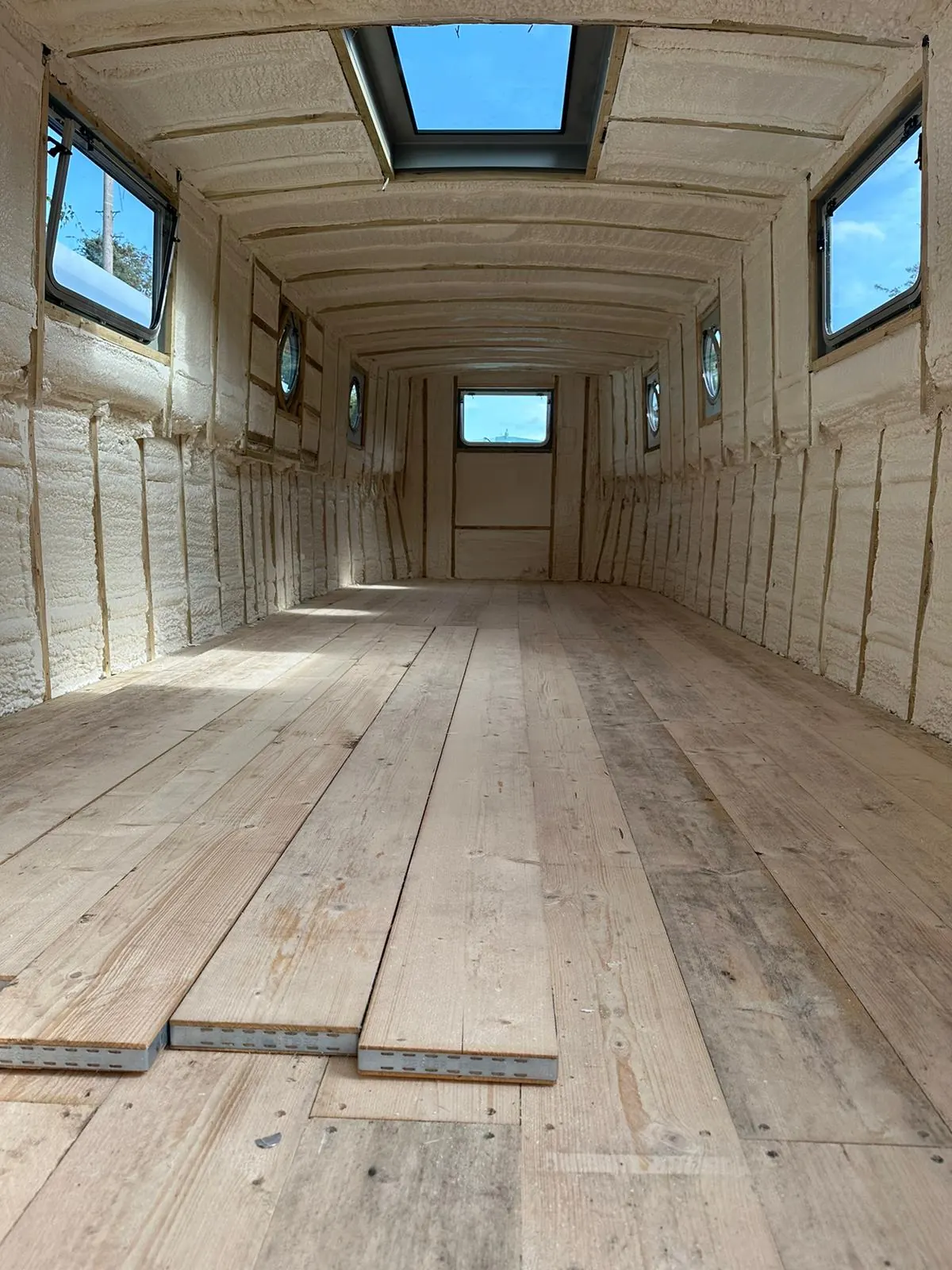
Enverge Nexseal LE closed-cell foam is spray-applied to hull plating, deckheads and bulkheads, self-bonding on cure and conforming to curved steel or GRP without joints. The low-permeability layer holds internal surfaces above dew point, controlling the condensation that drives hull corrosion and damp, while following the complex frames and stiffeners typical of commercial marine interiors.

  • 25-year manufacturer-backed warranty
  • Self-bonds to steel or GRP, follows hull curves
  • Keeps hull and deckhead surfaces above dew point
  • Stops sweating, corrosion and damp below deck
Discuss your project →
Technical data

Enverge Nexseal LE — verified performance

Thermal conductivity λ0.027 W/m·K · BS EN 14315-1
Reaction to fireClass 1 · BS476 Part 7
Compressive strength78 kPa · BS EN 14315-1
Water vapour resistanceμ 62 · BS EN 12086

Typical published values for Enverge Nexseal LE closed-cell foam. Full technical specification →

In detail

Specification & compliance for marine structures

Steel hulls sweat: warm cabin air meets cold plate and condenses, corroding the vessel from the inside and soaking fit-outs. Closed-cell foam sprayed at 25–75 mm bonds directly to the hull and deckhead, following every curve, rivet and weld — surfaces rigid boards simply can't follow — and carries its own vapour barrier, so no separate membrane is needed.

Most narrowboats, widebeams and workboats are completed in one to two days. The foam adds rigidity, keeps condensation off the steel permanently, and is backed by a 25-year manufacturer product warranty.

Applied depth25–75 mm to hull and deckhead
ProgrammeMost vessels completed in 1–2 days
Vapour barrierIntegral — no separate membrane
CorrosionStops hull sweating at source
How it works

From enquiry to warranty

1

Enquire

Tell us about your marine structures & building.

2

Survey

Free survey of your marine structures & condensation check.

3

Specify

The right system for your marine structures.

4

Install

Approved applicators, minimal disruption.

5

Warranty

Handover pack & 25-year warranty.

Recent work

Real marine structures spray foam applications

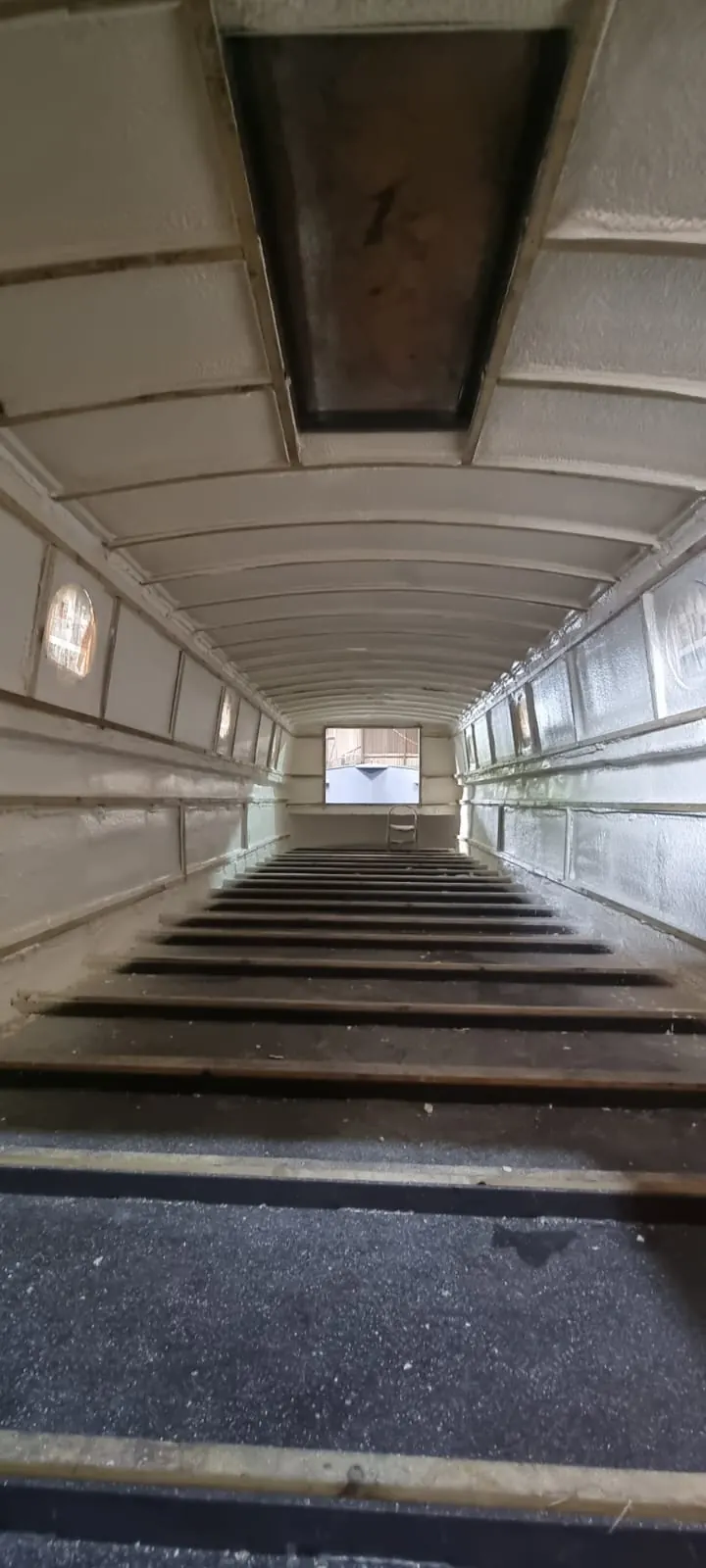
Spray foam insulation applied to marine structures — real Duratite Group projectSpray foam insulation applied to marine structures — real Duratite Group projectSpray foam insulation applied to marine structures — real Duratite Group projectSpray foam insulation applied to marine structures — real Duratite Group projectSpray foam insulation applied to marine structures — real Duratite Group project
Proof

Commercial projects

Free survey

Get a quote for your project

Send us your building details and our technical team will specify the right system and a clear budget. No obligation.

01208 832 602Mon–Fri, 8am–5pm
info@thermofoam.co.ukWe reply within one working day
25-yr product warrantyDocumented, surveyor-ready installs
Book your free surveyNo obligation · we reply within one working day
FAQs

Marine insulation, answered

Why do steel hulls sweat, and can spray foam stop it?

Cold hull steel in a damp marine environment falls below dew point, so warm internal air condenses on it. Closed-cell foam insulates the plating and holds its surface above dew point, stopping the sweating that drips into spaces and drives corrosion.

Can it be applied to both steel and GRP vessels?

Yes. Spray foam self-bonds to the substrate as it cures, adhering to steel or GRP hulls, deckheads and bulkheads alike. It follows curved plating and framing seamlessly, suiting the complex geometry of commercial marine interiors.

Will it protect the hull structure from corrosion?

By keeping the steel above dew point and forming a vapour-resistant barrier, the foam controls the condensation that drives internal hull corrosion. Keeping plating dry from the inside helps preserve structure critical to a vessel's seaworthiness.

Does it help with noise and comfort on board?

Yes. As well as insulating, the sprayed layer dampens hull noise and vibration, making cabins and machinery spaces warmer, drier and quieter — a noticeable improvement in comfort for crew working in commercial marine environments.

Is the foam certified and guaranteed?

Yes. Nexseal LE closed-cell foam carries a 25-year manufacturer-backed product warranty, giving marine operators long-term confidence in the insulation and condensation control across the vessel.

How long does boat insulation take?

Most vessels are sprayed in 1–2 days depending on size and access — far faster than batten-and-board methods.

Will it stop hull condensation completely?

Yes — closed-cell foam seals the steel so warm cabin air never reaches a cold surface, stopping the sweating that drives corrosion.

What depth is applied to a hull?

Typically 25–75 mm depending on the vessel and how it's used — specified after survey.

Insulate your marine structures the right way

Specialist commercial spray foam, installed UK-wide by the Duratite Group's spray foam specialists.

Book a Free Survey →or call 01208 832 602
Got a project? Free no-obligation survey & quote.
01208 832 602Free Survey →